(Article)
Environment and health are shaping the food of the future
By Beatrice Vernocchi
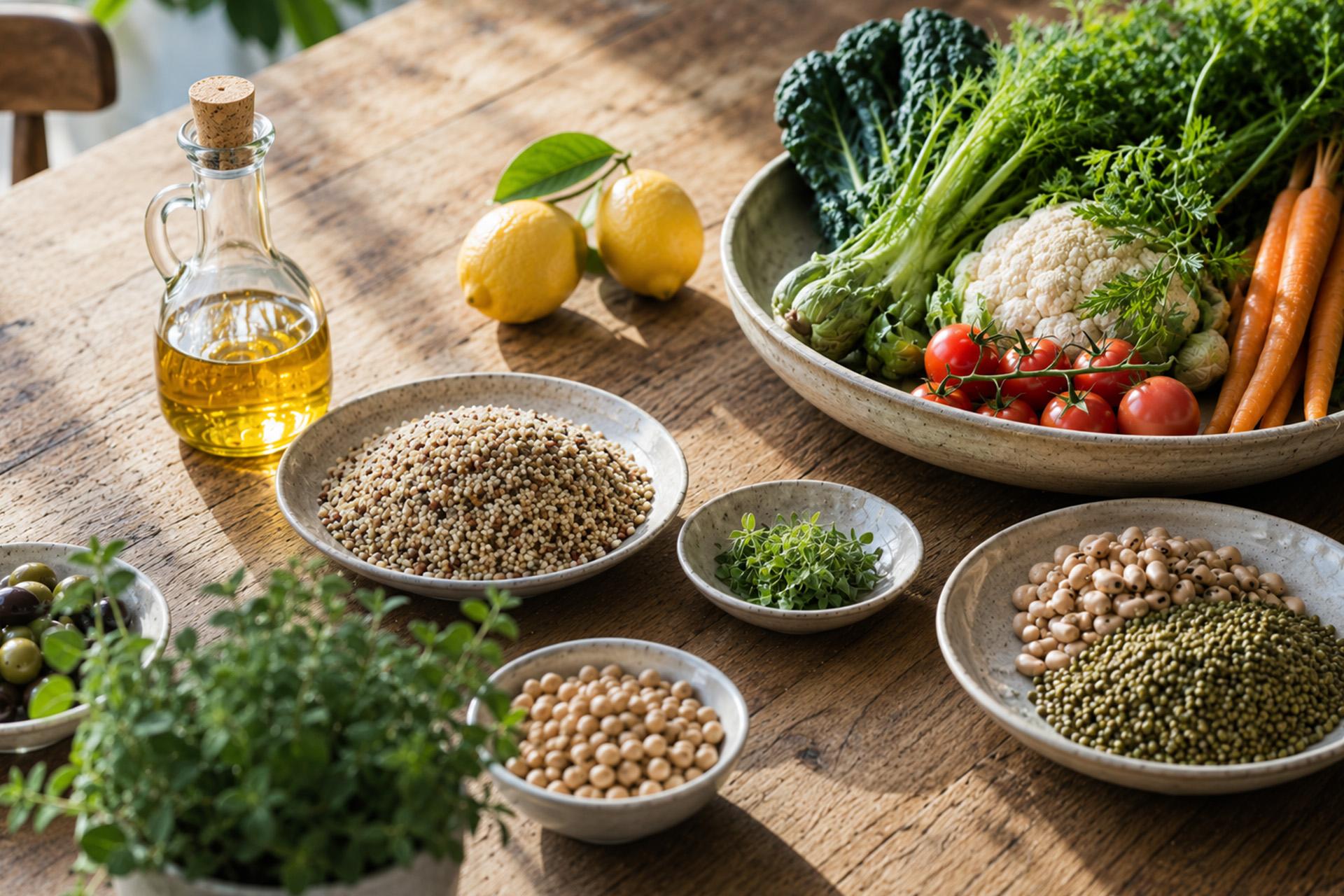
Even after the lockdown, food remains central to the lives of Italians and reflects their new lifestyles. Locality, health, tradition and, increasingly, the environment are the values guiding food choices. While the Mediterranean diet is still the dominant cultural reference, different value systems and consumption preferences converge and recombine within it, more or less fluidly. Organic and vegan, gourmet and high-protein, flexitarian and no-carb. But it is sustainability and attention to climate that make up the emerging food culture.
The pandemic and the relationship with food
After being at the center of their comfort zone during the long months of the pandemic, Italians' relationship with food is changing again, becoming more aware of the fundamental role it plays for personal wellbeing, but also for the social and environmental context we live in.
The data confirms it: one in two Italians say they have changed their eating habits in the past year, and as many as 4 in 10 say they have moved toward a healthier, more balanced diet.
The evolution of food identities
These new eating habits have led to a new map of the food cultures and food identities Italians recognize themselves in. The strength of the country's food tradition and the strong bond with the Mediterranean diet remain, but despite this, one in 5 Italians does not identify with any particular eating style and finds no cultural reference for their own diet. These people assign food further values beyond its mere nutritional role and, in most cases, tend to maximize savings out of disinterest or because they have no other option.
Future purchasing forecasts
To sum up, the value that emerges most clearly is the awareness that one's food choices have an impact on the surrounding social and environmental context. Purchasing forecasts for the coming year are consistent with this new food map: after promotional products, which remain essential for protecting the household budget, Italians expect to increase purchases above all of products that are 100% Italian, local and zero-kilometer, organic and sustainable.
The Mediterranean diet is one of the most environmentally sustainable dietary patterns
Those who eat a Mediterranean diet, besides having a healthy diet, also have a reduced environmental impact compared to those who follow other eating styles. For example, following a Mediterranean diet saves 14 kg of CO2 equivalent, 6,000 liters of water and as much as 172 square meters of land compared to a high-protein diet.