(Article)
Building a brand for food ecommerce and measuring its effectiveness
By Beatrice Vernocchi
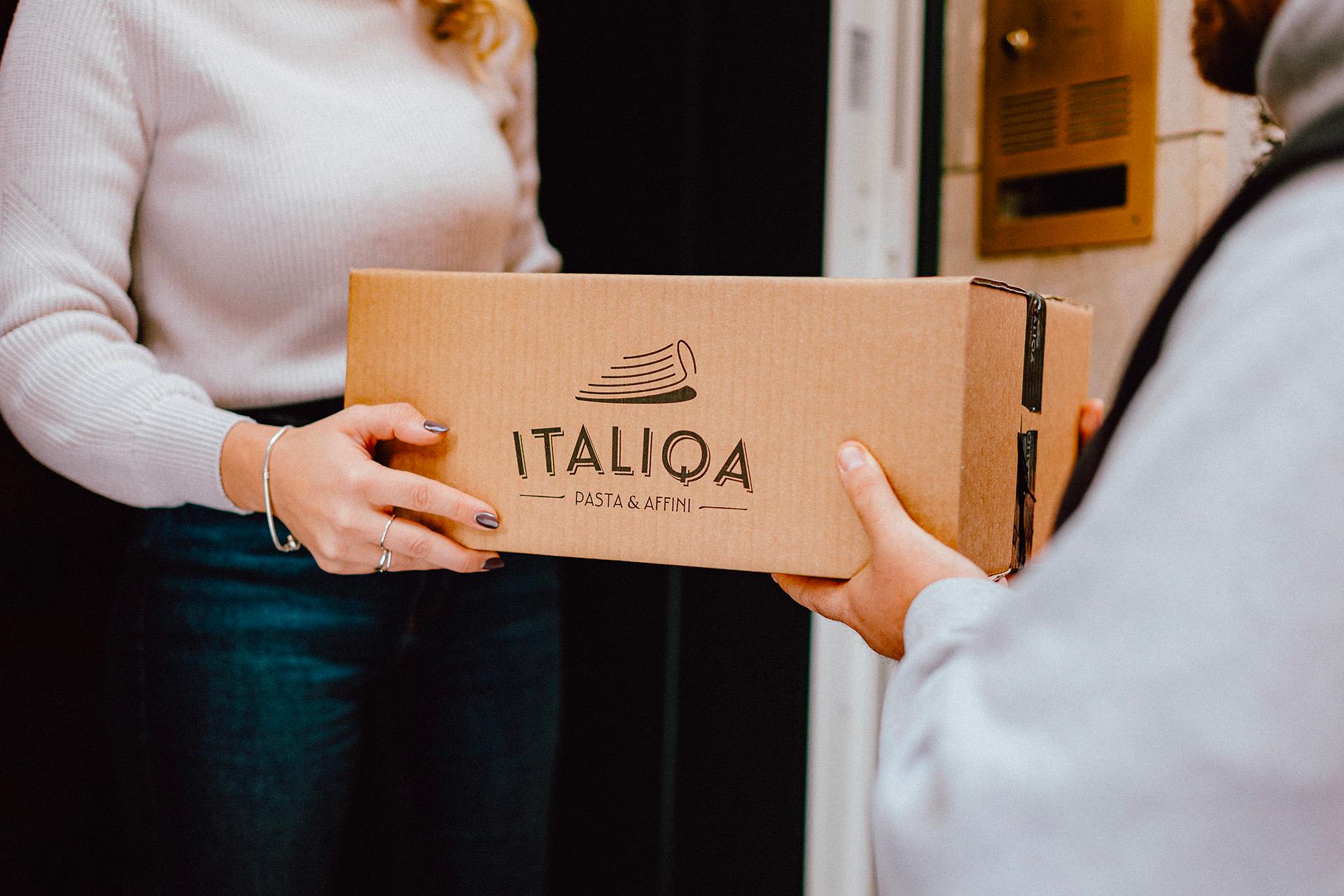
In an era where shopping online has become common practice for most people, building a strong and distinctive brand for a Food & Beverage ecommerce business is more than a marketing strategy, it is a vital necessity.
A brand well positioned in consumers' minds gains invaluable worth, becoming the preferred choice over the competition. The ability to stand out in a saturated market depends on the uniqueness and quality of the products, but above all on how effectively the brand connects with its customers.
This tells us that investing in branding activities is essential for a food store to keep growing and hold its own against competitors.
Don't assume these marketing activities can't be measured. In this article you will discover the elements to focus on for an effective brand and which KPIs to track to keep branding effectiveness under control.
Table of contents
1 Strategic elements for building an effective brand in Food & Beverage
- 1.1 1. USP (Unique Selling Proposition)
- 1.2 2. Communication concepts to reiterate
- 1.3 3. Visual identity
- 1.4 4. TOV (Tone Of Voice)
2 Measuring Branding Effectiveness
- 2.1 Direct traffic
- 2.2 Brand query search volumes
- 2.3 Organic Traffic
- 2.4 Customer Retention Rate
- 2.5 Number of Referrals
3 Data analysis for Brand and Food ecommerce growth
##
Strategic Elements for Building an Effective Brand in Food & Beverage
Building your food ecommerce brand so it positions correctly in the customer's mind requires thorough analysis and particular attention to four elements.
1. USP (Unique Selling Proposition)
If you want to develop a brand in the food sector, you need to identify and communicate the unique value proposition that sets it apart from competitors. This could concern the uniqueness of the product, the production method, the commitment to sustainability, or an exceptional purchasing experience.
For example, an organic products brand might emphasize its commitment to consumer health, the certifications it has obtained, and the initiatives it has put in place to protect the environment. It should also bring out very specific elements that differentiate the company from others with similar propositions: for example, it could highlight the history of the business, its ties to the local area, or the green technologies it uses.
2. Communication concepts to reiterate
Develop 3 or 4 key messages that resonate with your target market and are easily recognizable.
These must be consistent with company values and reiterated at every major customer touchpoint, both online and offline, to build a solid and recognizable brand identity.
For example, the messages might concern the high quality of the ingredients, excellent customer service, or the brand's commitment to innovation. These themes need to be built into the website, used in social content, repeated on packaging, and carried through every communication channel.
This doesn't mean repeating the concepts until users are exhausted, but rather using them strategically to attract the attention of the right customers for your products.
3. Visual identity
Visual consistency is crucial for brand recognition. This includes the logo, the color palette, the typography, and the design of the website and marketing materials.
Every visual aspect should reflect the brand's values and convey them at a glance to the user, creating a consistent experience across every medium and communication channel.
For example, if your brand focuses on the freshness of its ingredients, you might use bright colors, clean design, and imagery that evokes nature and product quality.
4. TOV (Tone Of Voice)
It's essential that the brand and its target audience speak the same language. The brand's tone of voice must reflect its personality and values, but above all it must let customers recognize themselves in what it says.
You need to choose your communication style carefully: for example, you can be friendly, expert, or inspiring. Remember to stay consistent across all channels, including social media posts, product descriptions, and customer service.
Measuring Branding Effectiveness
As mentioned in the introduction to this article, you might think branding activities can't be tracked, and therefore don't provide measurable data to assess the effectiveness of marketing efforts focused on the brand. But that's not the case.
Below are the KPIs you need to analyze to understand whether you're building a strong, recognizable brand that, above all, resonates with the audience you want to attract to your food ecommerce business.
Direct traffic
This is an indicator of customers who already know your ecommerce business and actively search for it.
An increase in traffic to your digital store is a positive sign that you can easily measure through monitoring platforms, first and foremost Google Analytics.
Brand query search volumes
By monitoring how many times your brand is searched for on Google, you can measure your brand's reputation.
An increase in "brand" and "brand+product/service" queries indicates growing interest and awareness.
An increase in these volumes is often linked to effective marketing campaigns that grow brand awareness.
Organic Traffic
If brand searches increase, organic traffic increases as a result, meaning the number of visitors who arrive at your ecommerce site by clicking on free search engine results rather than paid ones.
Branding efforts lead users searching for a given product to type a Google query that includes your brand name (for example, "Italiqa tortellini"), thereby excluding all competitor offerings.
Customer Retention Rate
The retention rate measures how well a brand manages to keep its customers over time.
This is assessed through how often customers return to make new purchases and how regularly they interact with the brand.
A high retention rate indicates that customers prefer your offering over competitors' and have formed a connection with your brand that leads them to buy again from your ecommerce site.
Number of Referrals
This refers to the number of times users mention or recommend your brand.
This metric can be tracked using software capable of identifying online mentions on social media, links to your ecommerce pages, and online reviews.
A high number of referrals suggests strong brand value and customer trust.
Data Analysis for Brand and Food Ecommerce Growth
The effectiveness of your branding in the food ecommerce sector can be assessed through a combination of quantitative and qualitative indicators. The key is a holistic approach that takes into account both customer perception and website metrics.
Analyzing the KPIs described above will let you refine your branding strategies and build a stronger, longer-lasting brand.
If you'd like more information and insights on branding and best practices to follow, you can get in touch with our experts.
Write to us and let's set up an appointment.
